Cataract assessment and surgery in Madrid
A careful assessment to confirm whether cataract explains your symptoms and, when surgery is appropriate, define a plan tailored to your eye and visual priorities.
- Having a cataract does not automatically mean that you need surgery.
- The decision considers visual function and the health of the whole eye.
- Dr Abellán carries out the assessment, surgery and postoperative follow-up.
Consultations: Monday to Thursday, 4:00–8:00 pm
For appointments, location, cover and administrative steps, contact the patient support team. Medical decisions are made during the consultation.
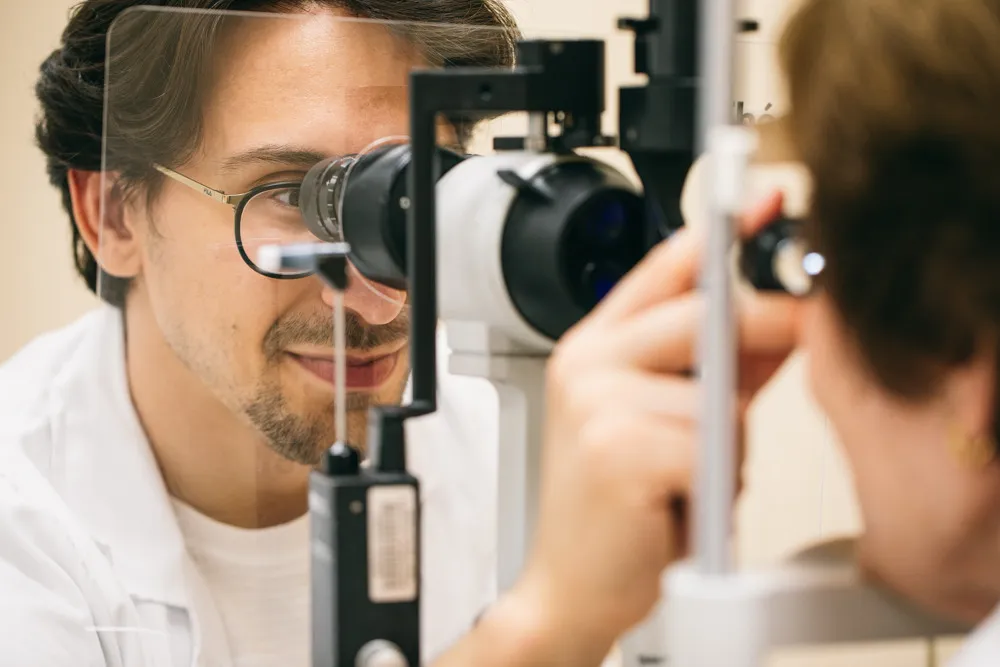
Ophthalmologist · Medical registration no. 282880215
Trained at Hospital Universitario de La Princesa
Private assessment · Clara del Rey Specialist Centre, affiliated with Hospital Quirónsalud San José · Madrid
Confirm whether cataract explains your visual difficulty
The decision depends on its effect on daily life, the health of the whole eye and the expected benefit weighed against individual risks.
- 1
Listen
Symptoms and difficulty reading, driving, working or carrying out usual activities.
- 2
Examine
Visual function and the health of the cornea, retina, optic nerve and the rest of the eye.
- 3
Decide together
Monitor or consider surgery according to the individual balance of benefits, limitations and risks.
The assessment may result in a recommendation to monitor or in an individual surgical plan. It does not assume that surgery is required.
Centre, cost and cover explained clearly
Private assessment in Madrid
Private consultations take place at the Clara del Rey Specialist Centre, affiliated with Hospital Quirónsalud San José, in Madrid. The patient support team provides information about availability and required documentation.
C. de Clara del Rey, 33, 28002 Madrid, Spain
Open in Google Maps (Opens in a new tab)Individual quotation
Cost depends on the examination, proposed lens, centre and insurance cover. Available items are explained before surgery is scheduled.
Cover is checked case by case. A policy or examination should not be assumed to be included until administrative confirmation is received.
What does cataract surgery involve?
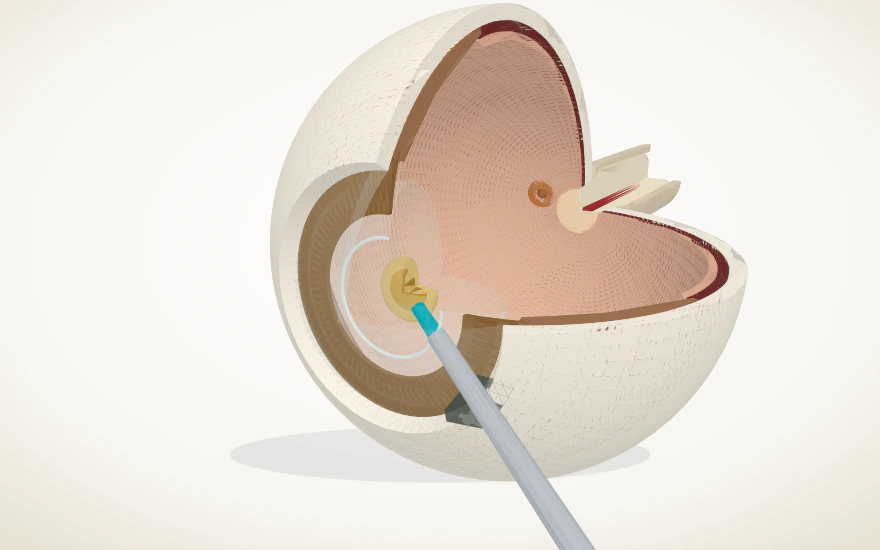
A cataract is the eye’s natural lens after it loses transparency. When surgery is appropriate, a small incision is made and an ultrasound probe fragments and removes the cloudy lens. An intraocular lens calculated from the eye’s measurements is implanted in its place.
- 1
Assessment and measurements
The eye is examined and the lens calculated before deciding the plan.
- 2
Outpatient procedure
In most cases, surgery is performed without a hospital stay.
- 3
Home the same day
Patients usually return home after the appropriate checks.
- 4
Follow-up
Follow-up visits assess recovery and allow instructions to be adapted.
Anaesthesia, timing, accompaniment and follow-up are defined according to the patient and the centre’s protocol. Surgery has potential risks and limitations, which are discussed individually before consent.
Moderate cataract
The clouding advances: colours lose vividness and reading or night driving becomes harder.
Drag to rotate the model · tap a structure to identify it
Illustrative 3D model for information purposes. It does not represent the outcome of any particular case, nor does it replace the assessment, diagnosis or individual instructions of your healthcare team.
The lens is chosen after examining the eye
No single design is suitable for everyone. The cornea, astigmatism, retina, optic nerve, previous surgery and your activities help guide the choice.
Monofocal
Prioritises one focal range; glasses may be needed for other distances.
Extended-range or multifocal
May broaden useful vision in selected patients, with possible optical trade-offs.
Toric
May be considered when measurements confirm astigmatism suitable for this correction.
No lens guarantees complete freedom from glasses. The visual target is agreed after the examination.
Brief answers before requesting an assessment
If you would like to know more, read the full guides
This landing page summarises the essentials for requesting an assessment. The following pages expand on each stage with general, reviewed information in Spanish and English.
Understanding cataract and surgery
What a cataract is, when surgery may be considered and how the cloudy natural lens is replaced.
Read the complete guide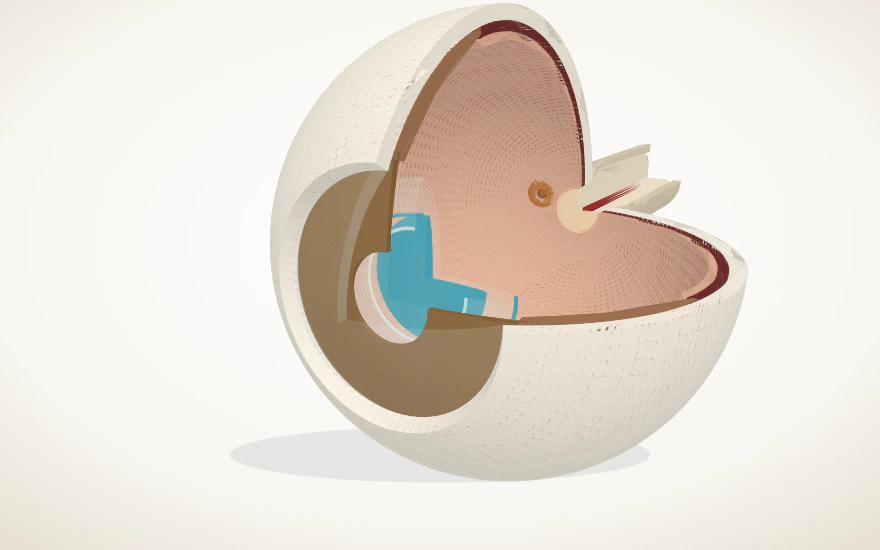
Types of intraocular lens
Differences between monofocal, extended-range, multifocal and toric lenses.
Compare lens types
Preparing for surgery
What to review before the procedure and which instructions to confirm with your centre.
Read the preparation guide
Care after surgery
General recommendations, usual recovery and signs that require medical attention.
Read the aftercare guideAuthorship, medical review and sources
- Author and medical reviewer
- Dr. Francisco Javier Abellán Martínez
- Ophthalmologist · Medical registration no. 282880215
- The same specialist currently authors and medically reviews the content; this is not presented as an independent external review.
- Last medically reviewed
Sources consulted (4)
- ESCRS recommendations for cataract surgery (Opens in a new tab)European Society of Cataract and Refractive Surgeons (ESCRS)
- Cataracts in adults: management (NG77) (Opens in a new tab)National Institute for Health and Care Excellence (NICE)
- Cataract surgery: procedure and recovery (Opens in a new tab)National Health Service (NHS)
- Patient information booklets (Opens in a new tab)The Royal College of Ophthalmologists
General educational content. It does not replace an individual assessment, diagnosis or personalised instructions from your healthcare team.
How these guides are written and reviewedRequest a cataract assessment in Madrid
Contact the patient support team to ask about availability, location and administrative arrangements. The indication, lens options and plan are decided after the clinical examination.
Consultations: Monday to Thursday, 4:00–8:00 pm
WhatsApp and telephone are not medical-advice or emergency channels. Do not send clinical reports. For urgent symptoms, use emergency services or the channel indicated by your healthcare centre.