
Clear explanation
My aim is for you to understand what is happening and what options you have.
Glaucoma · Cataracts · Refractive surgery
Private consultation in Madrid. Every recommendation begins with a complete eye examination and a clear explanation of the available options.
Medical registration no. 282880215
About
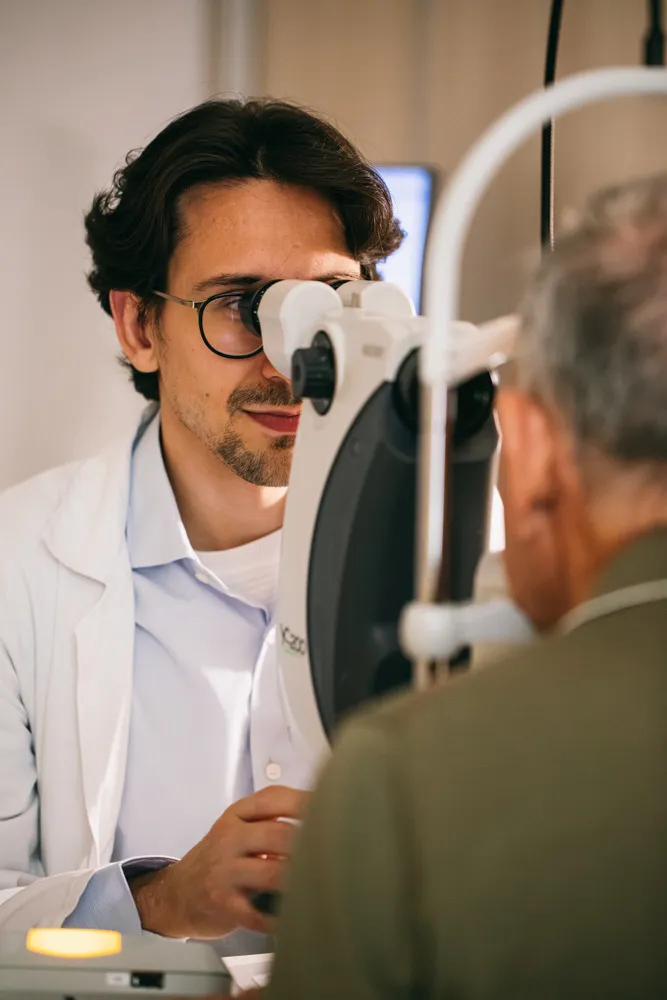
I am Francisco Abellán, an ophthalmologist trained at Hospital Universitario de La Princesa. I specialise in glaucoma, cataract surgery and refractive surgery.
In consultation, my priority is to understand each case fully and explain it in simple terms. No two eyes need exactly the same care, and not every treatment is right for everyone; that is why I assess every option carefully and recommend only what I genuinely believe is indicated.
How I work
My aim is for you to understand what is happening and what options you have.
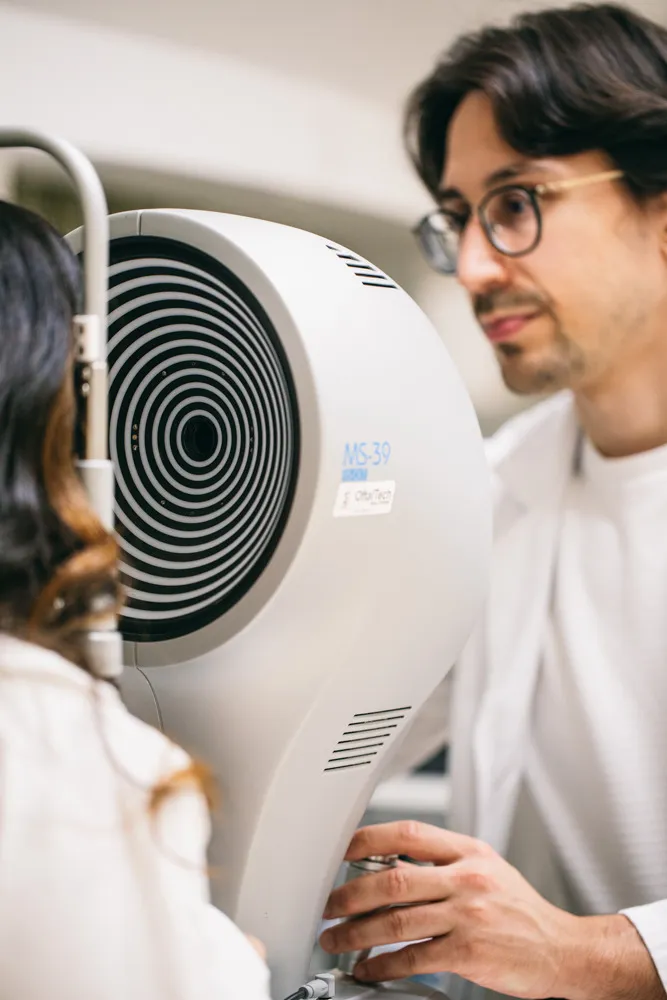
Decisions are based on the clinical examination and the tests needed for each case.

Not every problem needs surgery. I will explain when treatment is worthwhile and when monitoring is preferable.
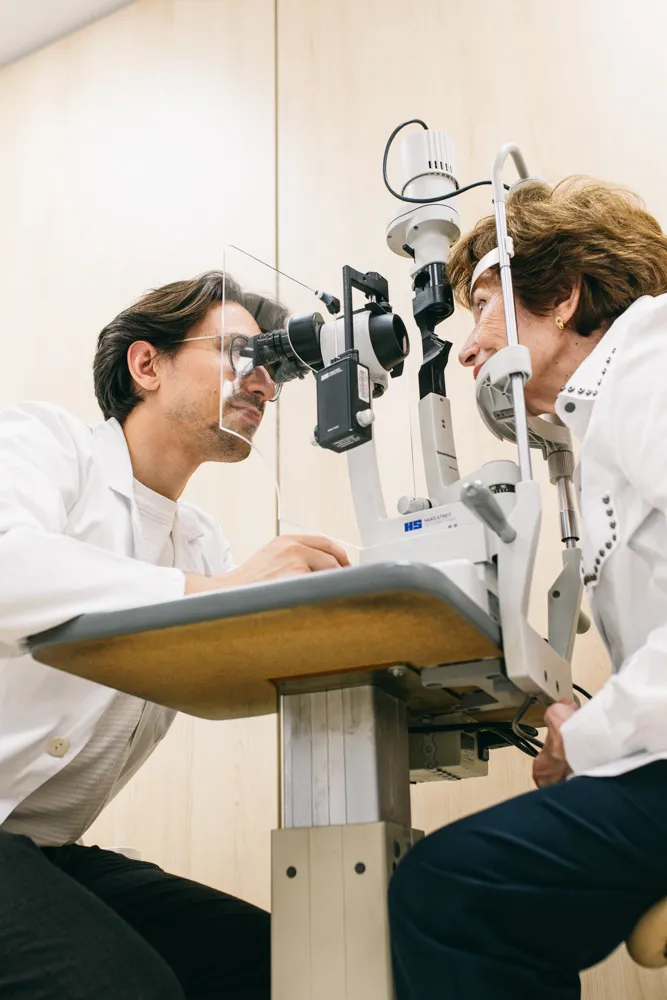
Monitoring progress and attending reviews are also part of treatment.
Patient Information
Choose the situation closest to yours to find the most relevant information before an individual assessment.
Private consultation
Appointments and administrative enquiries are managed by the practice secretary by phone or WhatsApp.
Hospital Quirónsalud San José · C. de Clara del Rey, 33, 28002 Madrid
Consultation hours: Monday–Thursday, 16:00–20:00 · Friday–Sunday, closed
He also works at Hospital Universitario de La Princesa (C. del Dr. Esquerdo, 45, 28028 Madrid) within the public hospital service. That route cannot be used to request a private appointment.
Interactive patient education
Four interactive 3D journeys explain the condition and selected treatments in context. They are educational resources and do not replace a consultation.
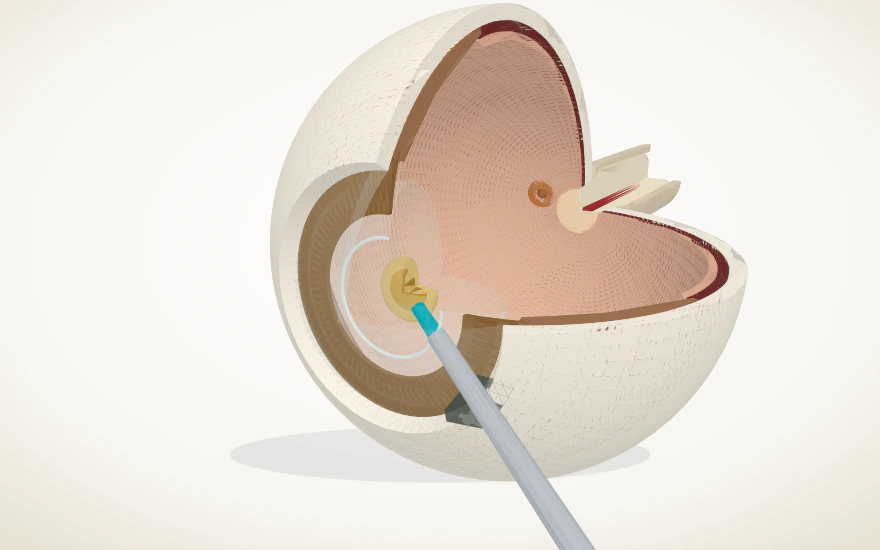
See how the crystalline lens becomes cloudy and how cataract surgery replaces it with an intraocular lens.
View 3D experience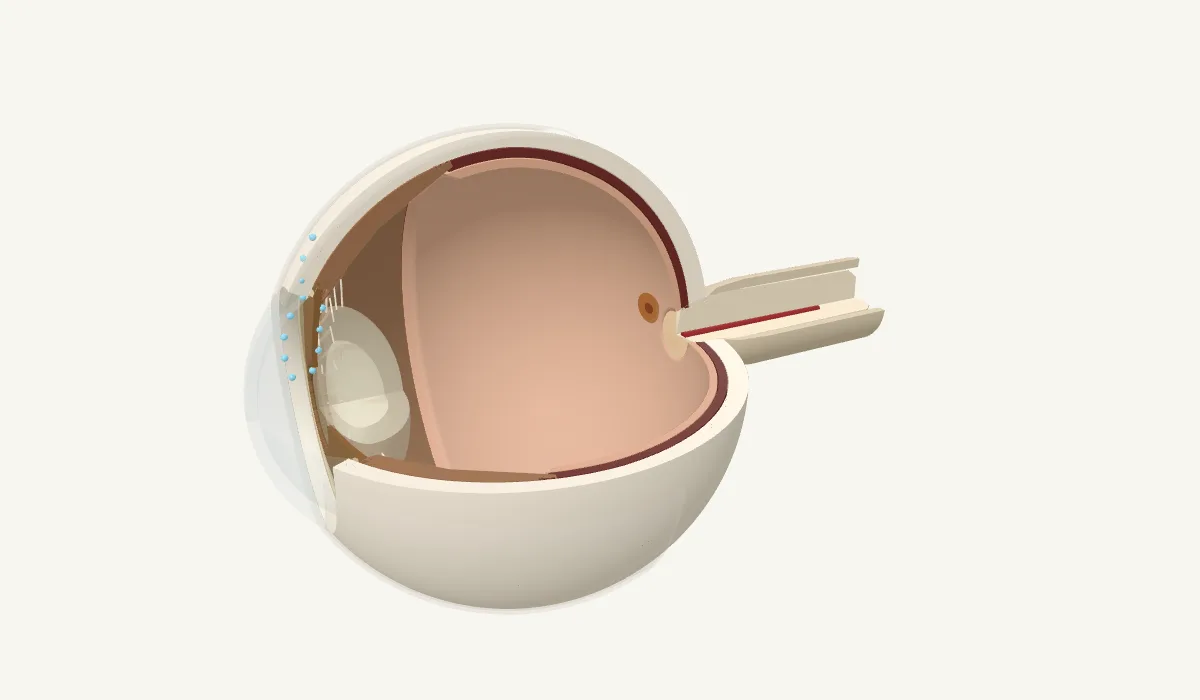
Follow aqueous humour drainage, optic nerve damage and different examples of pressure-lowering treatment.
View 3D experience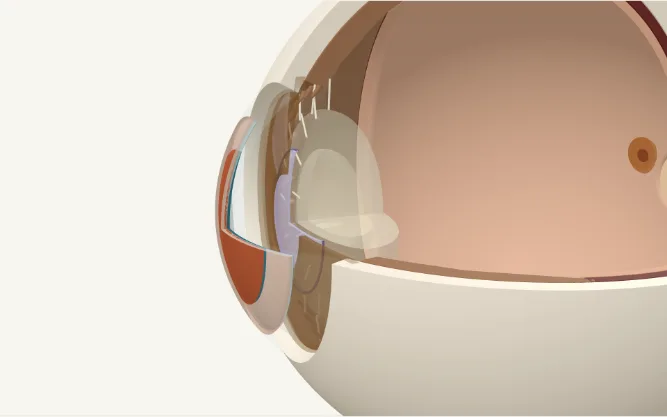
Compare where PRK, LASIK and the phakic ICL lens act: the corneal surface, the stroma or inside the eye.
View 3D experience
Watch the cornea deform into a cone and how cross-linking and intrastromal segments treat it.
View 3D experienceFAQ
Clear answers to help you understand your eye health and our procedures.
The private consultation is at Centro de Especialidades Clara del Rey, Hospital Quirónsalud San José, C. de Clara del Rey, 33, Madrid. The practice secretary manages appointments by phone or WhatsApp.
Bring your current glasses, a list of medication and allergies, and any previous ophthalmology reports or tests. If pupil dilation may be needed, it is advisable not to drive afterwards.
Not necessarily. Surgery is considered when the cataract affects useful vision or daily activities and the expected benefit outweighs the risks. The examination also helps determine whether another condition is contributing to the symptoms.
No. Eye pressure is an important risk factor, but glaucoma is diagnosed by assessing the optic nerve, visual field and other clinical findings. Some people with high pressure never develop damage, while glaucoma can also occur at statistically normal pressures.
Suitability depends on the prescription, corneal shape and thickness, ocular surface, age, crystalline lens and retinal health, among other factors. The assessment compares LASIK, PRK, phakic ICL lenses and non-surgical alternatives when appropriate.
Contact the practice secretary by phone or WhatsApp. This administrative channel is not for emergencies, medical consultations or sending sensitive clinical information.
Research
Selected work in glaucoma, corneal disease and ophthalmic imaging, connected to questions that arise in clinical practice.
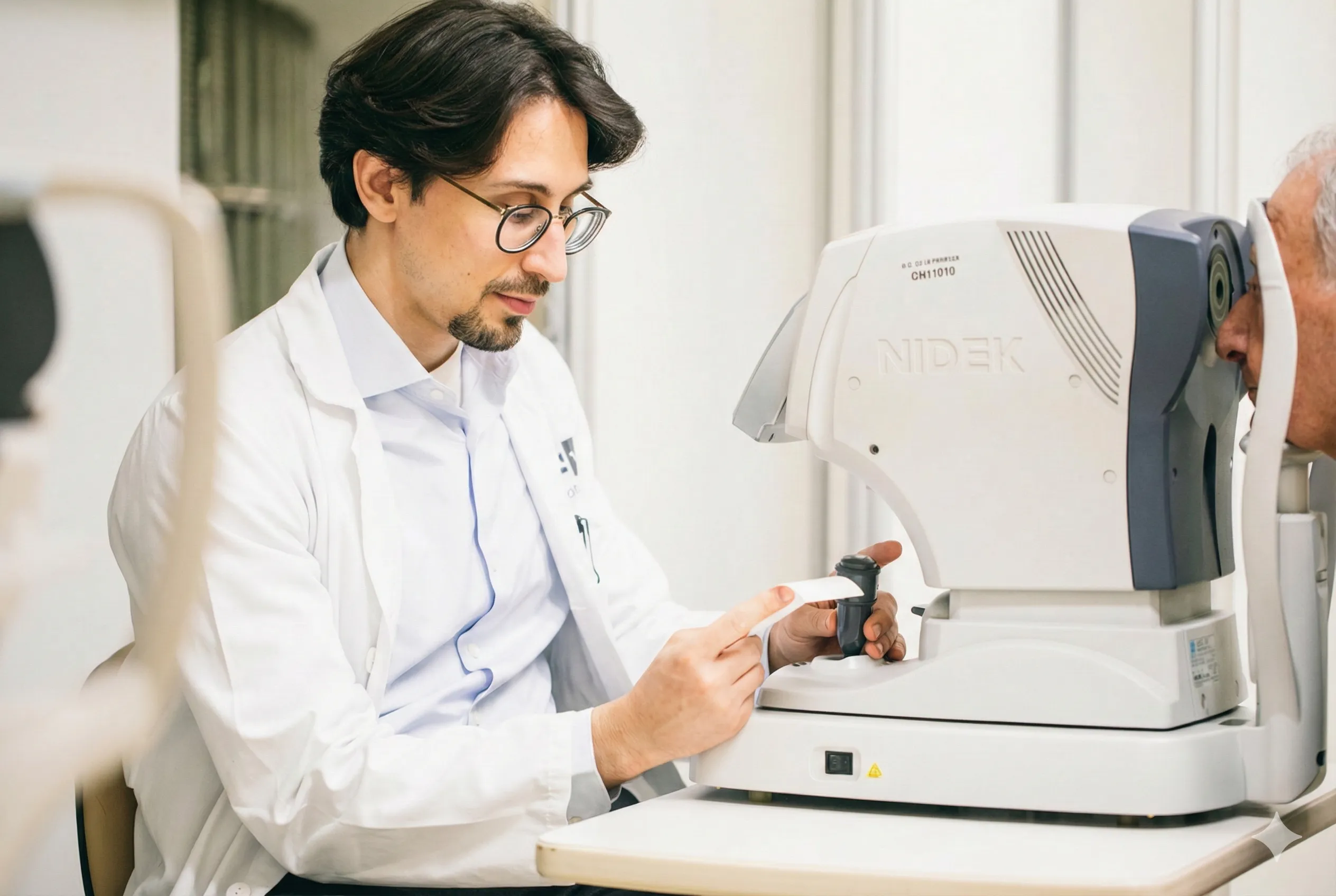
A study of anterior segment OCT images following deep sclerectomy (EPNP) surgery to identify the underlying structural causes of fibrosis.
Presented at: Congreso SEO 2025
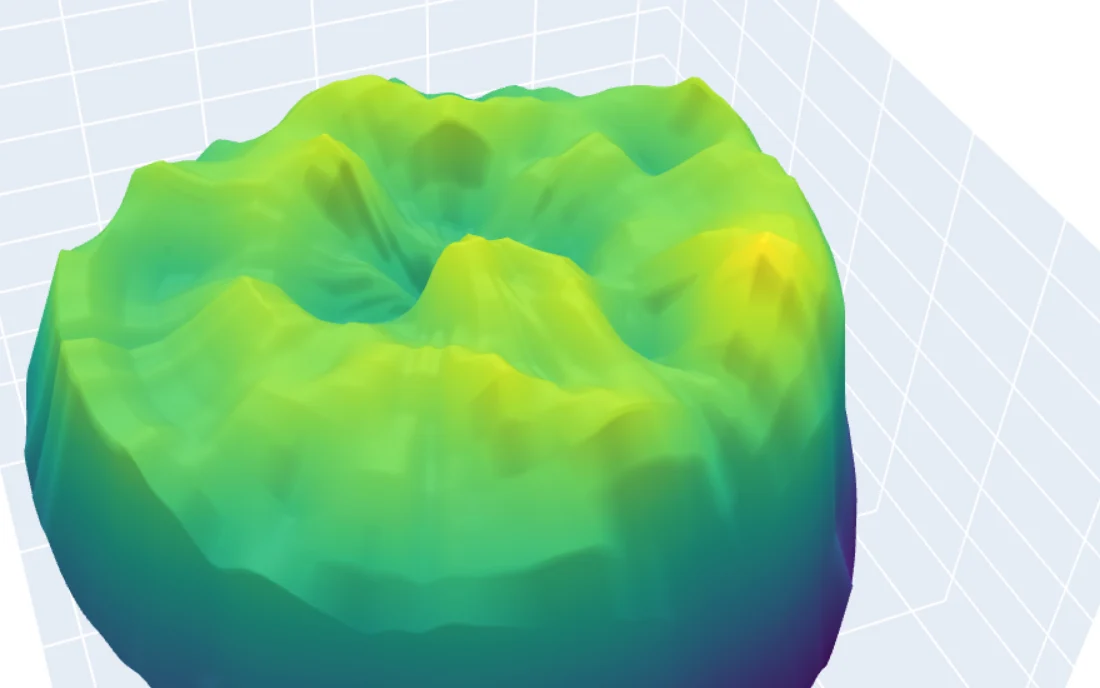
Detailed morphological analysis of parametric corneal elevation maps in patients with keratoconus.
Presented at: Congreso SEO 2025 · CXL Experts Meeting 2025
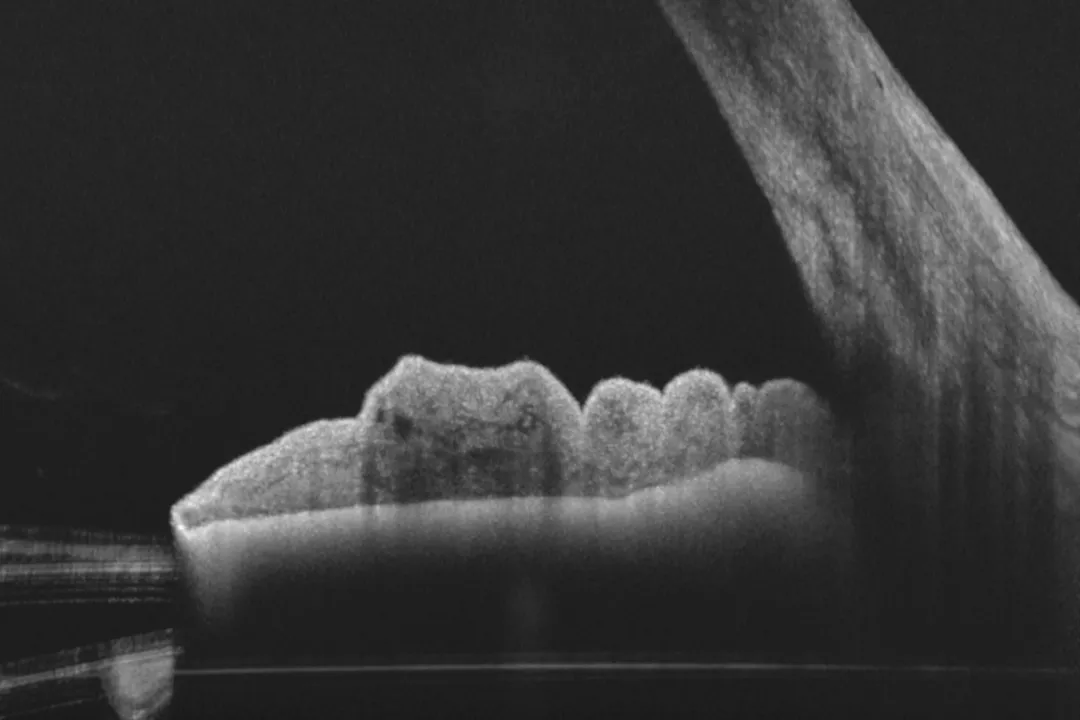
Comparative analysis of iris OCT images in healthy patients versus patients with Fuchs Syndrome and Posner-Schlossman Syndrome.
Presented at: Congreso SEO 2024




Contact
The practice secretary can help with availability and practical information. WhatsApp is not an emergency or medical-consultation channel.
This number is used by the practice secretary exclusively for information and appointment management. It is not an emergency or medical-consultation channel.
Professional profile