Refractive Surgery Options
PRK, LASIK, phakic lens (ICL) and lens exchange. Everything you need to know before deciding.
This guide is for educational purposes. Any surgical decision must be based on a comprehensive medical assessment.
Jump to section
Refractive Techniques
Four options, four locations. The indication comes from assessing each eye.
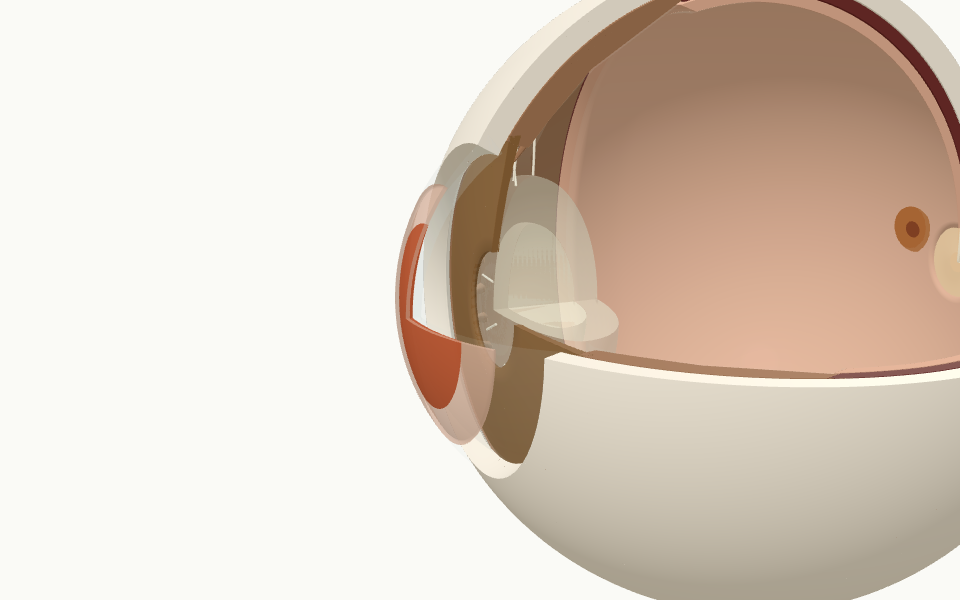
Surface Laser (PRK / LASEK)
Corneal surface · no flap
- How it works
- The laser works directly on the surface; the removed epithelium regenerates within days.
- Indications
- Thinner corneas, contact sports, or when LASIK is not advisable.
- Keep in mind
- More gradual recovery (days to weeks); the first days can be uncomfortable.
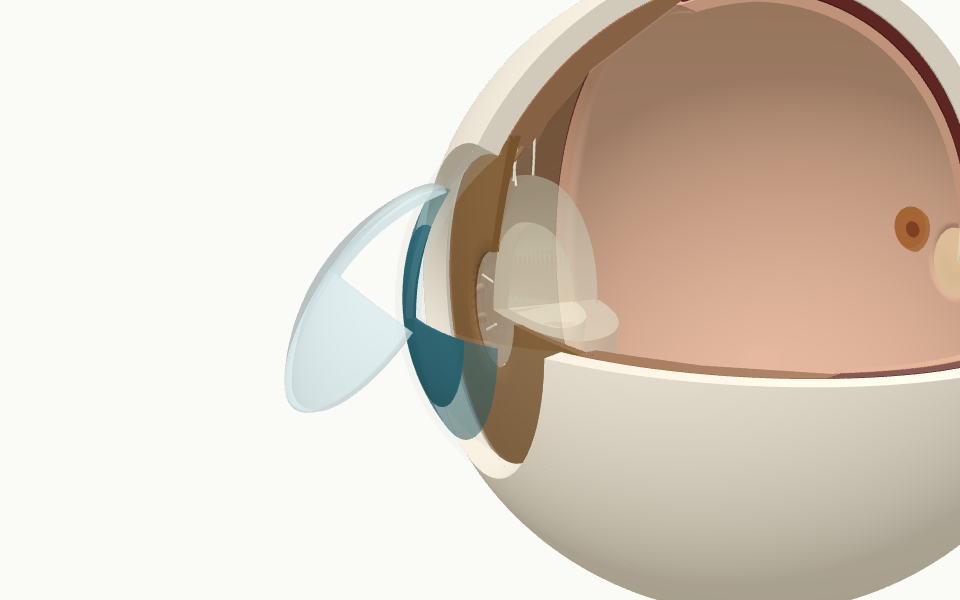
LASIK
Within the stroma · under a flap
- How it works
- A thin flap is lifted, the laser reshapes the stroma and the flap is repositioned without sutures.
- Indications
- Low to moderate myopia, hyperopia and astigmatism in healthy, sufficiently thick corneas.
- Keep in mind
- Usually fast visual recovery; temporary dry eye may occur.
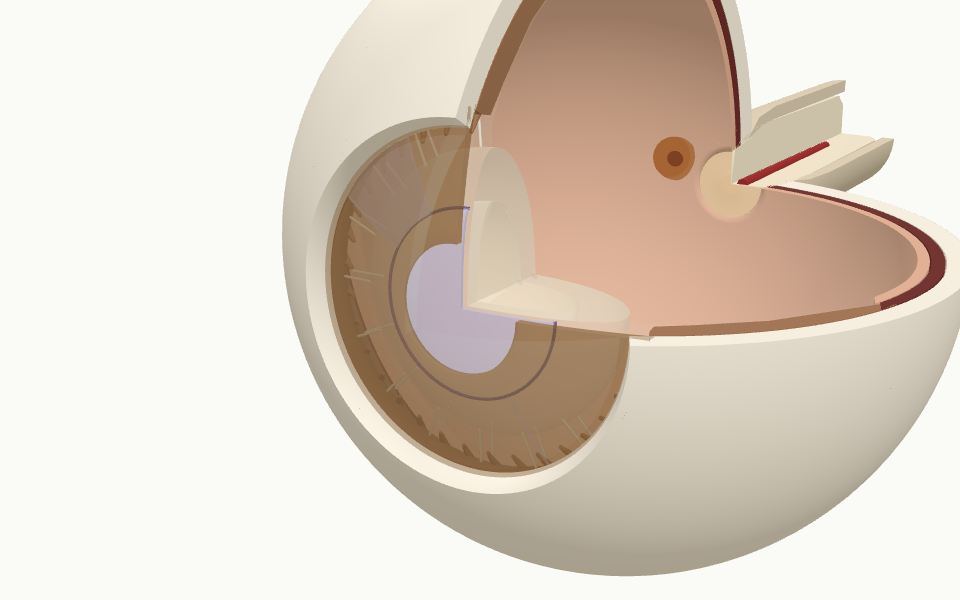
Phakic Lens (ICL)
Inside the eye · behind the iris
- How it works
- A biocompatible lens is implanted in front of the natural lens, which is preserved. The cornea is untouched.
- Indications
- High prescriptions or corneas unsuitable for laser, with adequate anatomy.
- Keep in mind
- Intraocular surgery with its own risks; removable with caveats, and follow-up is required.
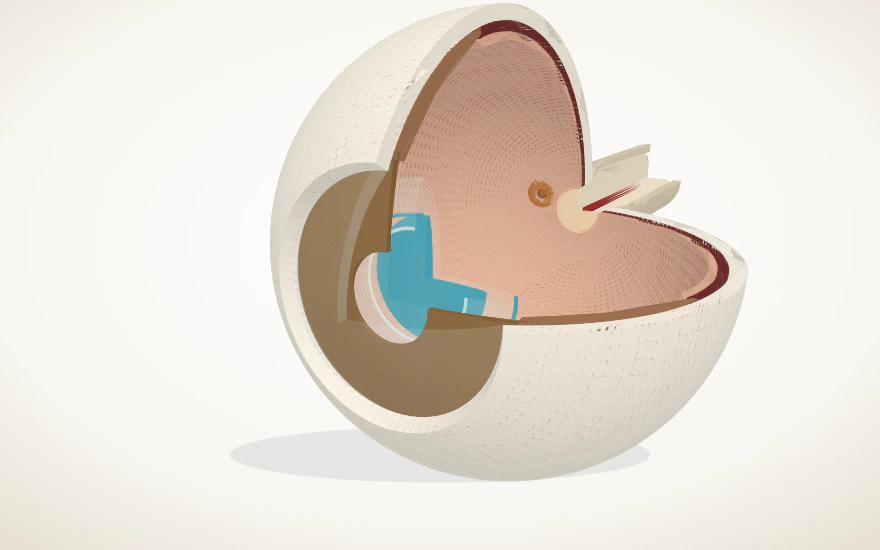
Lens Exchange (IOL)
The natural lens is replaced
- How it works
- The crystalline lens is exchanged for an intraocular lens, as in cataract surgery.
- Indications
- Typically over 50–55: presbyopia, high prescriptions or early cataract.
- Keep in mind
- Irreversible; the lens reduces dependence on glasses, but they may still be needed for some tasks.
See it in 3D
Two interactive journeys complement this guide.
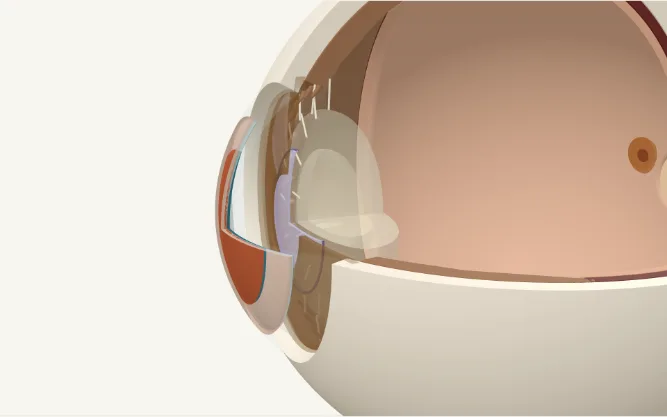
Refractive surgery in 3D
PRK, LASIK and the ICL lens explored step by step on the same three-dimensional eye.
View 3D experience
Keratoconus in 3D
When the cornea is unstable, laser surgery is contraindicated: see how cross-linking and segments work instead.
View 3D experienceConventional LASIK is contraindicated in keratoconus. If you have been diagnosed or suspect it: Keratoconus guide · Keratoconus assessment in Madrid
Goals & Preparation
The aim is to reduce dependence on glasses, but residual prescription and a later need for glasses are possible. Assessment includes:
- Stop contact lenses for the period specified at the consultation; it varies with lens type, wear pattern and corneal measurements.
- Inform us of all your medications, allergies, and systemic diseases.
- A complete examination of the cornea, ocular surface, lens and retina to identify contraindications or factors that change the recommendation.
- No eye makeup 24-48 hours prior to your exam and surgery.
Expectations & Consent
Before surgery, you will sign an informed consent. Please understand:
- Dry eye, halos, or night glare can occur during recovery. Mention persistent or worsening symptoms at follow-up.
- Though rare, a minor laser touch-up might be required later on.
- Myopia surgery does NOT prevent presbyopia (natural need for reading glasses around age 45).
- You eventually may still require light glasses for very fine reading or night driving.
Ready for the day of surgery?
See our step-by-step guide for the procedure day: preparation, what happens at the clinic and postoperative care.
Authorship, medical review and sources
- Author and medical reviewer
- Dr. Francisco Javier Abellán Martínez
- Ophthalmologist · Medical registration no. 282880215
- The same specialist currently authors and medically reviews the content; this is not presented as an independent external review.
- Last medically reviewed
Sources consulted (2)
- Refractive surgery patient information (Opens in a new tab)The Royal College of Ophthalmologists
- Refractive surgery standards and guidance (Opens in a new tab)The Royal College of Ophthalmologists
General educational content. It does not replace an individual assessment, diagnosis or personalised instructions from your healthcare team.
How these guides are written and reviewedReady for an assessment?
A detailed preoperative study is needed to establish whether surgery is reasonable and which alternatives fit your eyes and priorities.